How to Find a Job in 2026: Strategies That Actually Work
The job market of 2026 looks nothing like the one you remember from even two years ago (and even then, it was tough). Economists describe the current environment as a "low-hire, low-fire" market, where employers turn to precision hiring over massive hiring sprees, often targeting the highest seniority they can get. Meanwhile, about 80% of workers feel unprepared for the job hunt, and AI has fundamentally reshaped every stage of the employment journey.
But here's what most job seekers miss: the rules have changed, but so have the opportunities. Those who adapt to the new landscape are landing roles faster and with better outcomes than ever before. This guide shows you exactly how to navigate the 2026 job market successfully.

Understanding the 2026 Job Market Reality
Before diving into tactics, you need to understand what you're up against.
The Numbers Tell a Story
The unemployment rate continues to rise, and workers have been largely uninterested in leaving their current jobs, a phenomenon some have branded "job hugging". This creates a curious paradox: there are jobs available, but both candidates and employers are being extraordinarily cautious.
Employers are reevaluating their hiring practices, moving toward skills-based hiring to fill labor gaps. What this means for you: traditional qualifications matter less than demonstrable skills and your ability to prove you can do the job.
AI Is Now the First Gatekeeper
Research suggests that up to 75% of resumes never make it past the initial ATS scan, and AI adoption is highest during early hiring stages, especially in job posting and resume screening. The implication? Your resume must be optimized for machines before humans ever see it.
The Great Thaw Is Coming
After 2025 being the year of "job hugging," early signs of 2026 point to a "great thaw" — the moment when workers who have been staying out of the job market begin exploring new opportunities. Translation: competition is heating up, but so are opportunities.
Strategy #1: Master the AI Resume Game
Your resume isn't just read by humans anymore. First, it must survive AI screening systems used by virtually every major employer.
Build an ATS-Proof Resume
More than 95% of Fortune 500 companies now use Applicant Tracking Systems (ATS) or AI-powered resume screening tools. Here's how to pass through:
Format for machines first, humans second. Use standard fonts like Arial, Calibri, or Times New Roman. Avoid image-based text (some candidates use graphic design tools to create visually appealing resumes, but text within images can't be parsed). Save as .docx or text-based PDF.
Mirror the job description's language. ATS looks for exact keyword matches — if the job description lists "project management" and your resume only says "coordinated projects," you may miss out. Extract 2-3 skill clusters from multiple job descriptions in your target role and incorporate them naturally throughout your resume.
Quantify everything. AI and recruiters both prioritize measurable results. Instead of "Responsible for leading a marketing team," write "Led a 10-person marketing team, increasing campaign ROI by 25% within six months."
Test before sending. Use free tools like Jobscan, Resume Worded, or SkillSyncer to check your resume against specific job descriptions. These tools show you exactly which keywords you're missing and how to improve your ATS compatibility score.
The One-Resume-Fits-All Approach Is Dead
Every application requires customization. Extract the top 5-7 skills from each job posting and ensure they appear in your resume if you genuinely possess them. This doesn't mean lying — it means speaking the employer's language.
Strategy #2: Unlock the Hidden Job Market
Here's a number that should change your entire approach: up to 70% of job openings are never publicly advertised. These positions are filled through referrals, internal promotions, and direct recruitment.
Think about that. You're competing with hundreds of applicants for the 30% of jobs that make it to job boards, while ignoring the 70% where you'd face minimal competition.
Why Companies Keep Jobs Hidden
Companies avoid public postings to save money, reduce time spent reviewing unqualified applications, maintain confidentiality, and minimize risk through trusted referrals. 30-50% of hires come from referrals, and timing matters — many positions are filled before or shortly after posting.
How to Access Unadvertised Positions:
Network with purpose, not desperation. Spend 20% of your time applying and 80% of your time networking — in 2026, a referral or warm introduction remains the only reliable way to guarantee that a human reviews your profile.
Start with your existing network: former colleagues, classmates, neighbors, volunteer connections. Let them know specifically what types of roles and companies interest you. Don't ask for a job — ask them to keep you in mind.
Practice "micronetworking." Short, intentional outreach and interactions, even likes and comments on social posts, keep you visible and build relationships before you need them.
Work with recruiters. Staffing agencies have access to positions that never hit public job boards. They can match you with unadvertised roles and advocate directly on your behalf.
Target companies, not just openings. Identify 10-15 companies you'd love to work for. Follow their news, engage with their content, and reach out to hiring managers directly expressing genuine interest in their work. Many positions are filled before they're formally created.
Strategy #3: Transform Your LinkedIn Profile Into a Job Magnet
In 2026, visibility is all about skill clusters — ensuring your Skills section and About summary contain the specific technical and soft skills recruiters search for.
Optimize for Discovery
Recruiters no longer search for single job titles like "Marketing Manager" — they search for skill clusters, groups of complementary capabilities. Open 5-7 job descriptions for your target role, highlight recurring skills and phrases, and group them into clear clusters in your profile.
The "Open to Work" Debate
Members who enable the "Recruiters Only" setting see a 40% increase in recruiter InMails. If you're currently employed, use the private setting. If you're unemployed or freelancing, the public banner mobilizes your network to share opportunities.
Leverage New Features
LinkedIn's video introduction feature offers a dynamic way to showcase who you are beyond your resume. Create a 30-60 second introduction highlighting your professional strengths and what you're seeking. Good lighting and clear audio make a significant difference.
Complete skill assessments to earn verification badges. These boost your credibility and ranking in recruiter searches.
Stay Active
Post insights, comment thoughtfully on industry discussions, and engage with your network's content. Visibility drives opportunity. LinkedIn has solidified its role as the digital town square for professional growth — your profile must be an active portfolio, not a static resume.
Strategy #4: Tell Your Story Through Skills
In 2026, hiring trends reflect a nuanced shift — not away from education, but toward a broader view of qualification. Employers increasingly emphasize practical skills, relevant experience, and demonstrated capability alongside formal credentials.
Build a Skills-First Narrative
When networking or interviewing, it's all about storytelling — emphasizing your skill set and how it can positively influence the job you want. Ask yourself: "How do my skills relate to the skills required for this job?"
Use the STAR method (Situation, Task, Action, Result) to craft compelling examples that demonstrate your capabilities. Don't just list what you did — show the measurable impact you created.
Continuously Upskill
93% of recruiters plan to increase their use of AI in 2026. Demonstrating AI literacy, even basic familiarity with tools like ChatGPT for productivity or data analysis tools, can differentiate you from other candidates.
Platforms like LinkedIn Learning, Coursera, and Udemy offer affordable courses to fill skill gaps. Completing certifications in high-demand areas signals adaptability and commitment to growth.
Strategy #5: Apply Strategically, Not Frantically
The volume-based application strategy is dead. Mass-applying with generic materials will get you nowhere in an AI-screened world.
Quality Over Quantity
Applying for roles that genuinely match your skills will always outperform sending lots of generic applications, for both AI and humans. Target 3-5 highly relevant positions per week rather than 20 mediocre fits.For each application:
🔹 Customize your resume to mirror the job description's language
🔹 Write a targeted cover letter that addresses specific company challenges
🔹 Research the company and hiring manager on LinkedIn
🔹 Follow up strategically after 7-10 days
Avoid Ghost Jobs
Some job postings stay up for months but are never actually filled (you definetly saw them and thought its suspisiuos), used primarily for data collection or to show "growth" to investors. Red flags include: postings that have been up for 60+ days, vague job descriptions, or companies that never respond to any applicants.
Track Your Efforts
Treat your job search like a project. Track where you apply, when you follow up, and what results you get. This data helps you refine your approach and focus on channels that actually produce interviews.
Document each application with company details, position specifics, key requirements, and follow-up dates. This systematic approach ensures nothing falls through the cracks and helps you identify which strategies are actually generating interviews.
Popular tracking methods include:
— Spreadsheets (Google Sheets or Excel)
— Note-taking apps like Notes or Notion
— Specialised personal career management apps like Jotts
— Dedicated job search tools like Huntr or Teal
— Simple pen-and-paper job search journals
The tool matters less than the consistency — pick whatever system you'll actually use every single day.
Strategy #6: Prepare for the AI-Enhanced Interview
Once you land an interview, expect AI to play a role there too — from automated scheduling to video interview analysis.
Organize Your Interview Intelligence
Before you worry about the interview itself, you need a system to track your pipeline and prepare effectively. Maintain detailed interview logs where you document:
🔹 Company research notes and recent news
🔹 Interviewer backgrounds and LinkedIn insights
🔹 Questions asked in each interview round
🔹 Your responses and what resonated
🔹 Follow-up tasks and thank-you note details
🔹 Salary discussions and next steps
This organized approach ensures you walk into every interview fully prepared and can reference specific details from previous conversations, demonstrating genuine interest and attention to detail. Tools like Jotts can help streamline this process if you prefer a dedicated solution.
Master Video Presence
Many companies use AI-powered video interview platforms that analyze your responses, facial expressions, and word choice. Practice your answers on camera, maintain good eye contact with the lens, speak clearly and concisely, and dress professionally even for virtual interviews.
Prepare Compelling Stories
Have 5-7 detailed STAR examples ready that demonstrate problem-solving, leadership, collaboration, adaptability, and results. Interviewers want evidence that you can do the job, not just talk about it.
Use Jotts or a similar career management or note-taking system to build and refine your STAR story library. Document the situation, specific actions you took, and measurable results for each example. Review and update these stories before each interview, tailoring them to the role's requirements. This preparation transforms you from someone who "wings it" to someone who delivers confident, compelling answers backed by concrete examples.
Ask Strategic Questions
Show genuine interest by asking about team dynamics, growth opportunities, and how success is measured in the role. Research the interviewer beforehand and reference their work or the company's recent initiatives.
Special Considerations for 2026
Entry-Level Job Seekers
At very big employers, the average share of entry-level workers is flat or shrinking, unfortunatly. Don't overlook small companies and startups — they're often more willing to take chances on newer talent and provide better learning opportunities.
Career Changers
Put together a new profile and explain it clearly in your cover letter — you've got to help employers understand why you can do this job, even if you've never done it before. Focus on transferable skills and demonstrate how your unique background brings fresh perspective.
Growing Industries
Healthcare, construction, and skills-based roles continue to show demand. If you're flexible about industry, consider sectors that are actively hiring rather than contracting.
Your 2026 Job Search Action Plan
Week 1-2: Foundation
🔹 Audit all professional profiles for consistency
🔹 Optimize resume for ATS with keyword research
🔹 Test resume with free ATS checkers
🔹 Build list of 15-20 target companies


Week 3-4: Visibility
🔹 Activate "Open to Work" on LinkedIn
🔹 Reach out to 10 people in your network
🔹 Join 2-3 relevant LinkedIn groups
🔹 Apply to 3-5 highly targeted positions


Week 5-8: Momentum
🔹 Continue targeted applications (3-5 per week)
🔹 Network conversations with 5-10 new connections weekly
🔹 Attend 1-2 virtual industry events or webinars per month
🔹 Connect with recruiters in your field
🔹 Follow up on applications after 7-10 days


Ongoing
🔹 Engage on LinkedIn 2-3 times per week
🔹 Track all applications and outcomes
🔹 Refine approach based on what generates interviews
🔹 Continue skill development
The Bottom Line
New 2026 job market rewards preparation, precision, and persistence. AI has made it easier for employers to screen candidates, but it's also created new opportunities for those who understand the system.
Your goal isn't to game the system — it's to present your genuine value in a format that both AI and humans can recognize. Master the technical requirements (ATS optimization, skills-based resumes), leverage human connection (networking, referrals), and demonstrate continuous growth (upskilling, adaptability).
The message for professionals? If finding a new role in 2026 is your goal, now is a good time to start exploring your options.
The question isn't whether the job market is tough — it is. The question is whether you're equipped with the right strategies to navigate it successfully. Now you are.
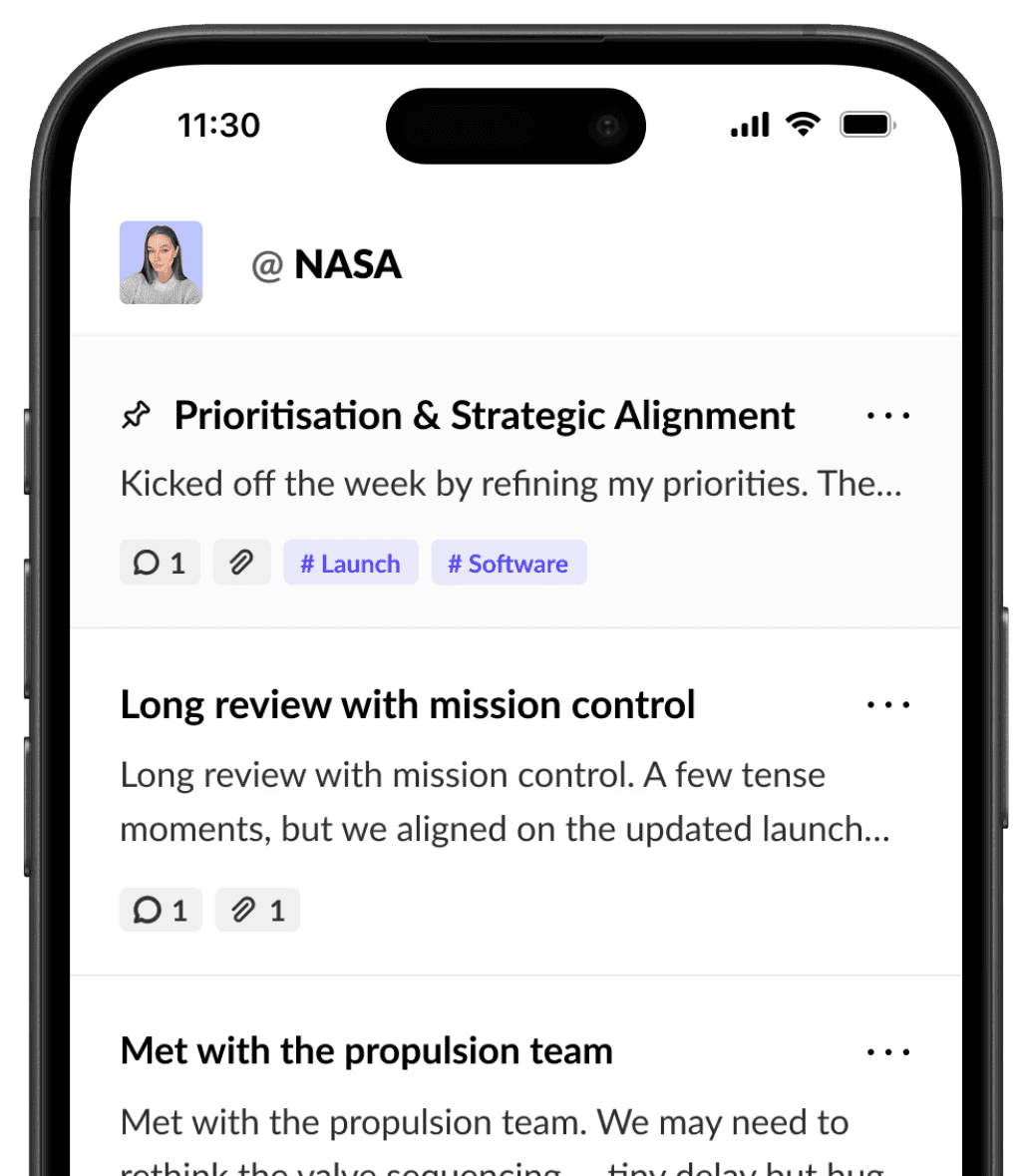
Jotts: Track Your Career Wins and Build Your Professional Portfolio
The career management app for ambitious professionals. Document your work in real time — Jotts turns it into structured data for reviews, interviews, and negotiations.